
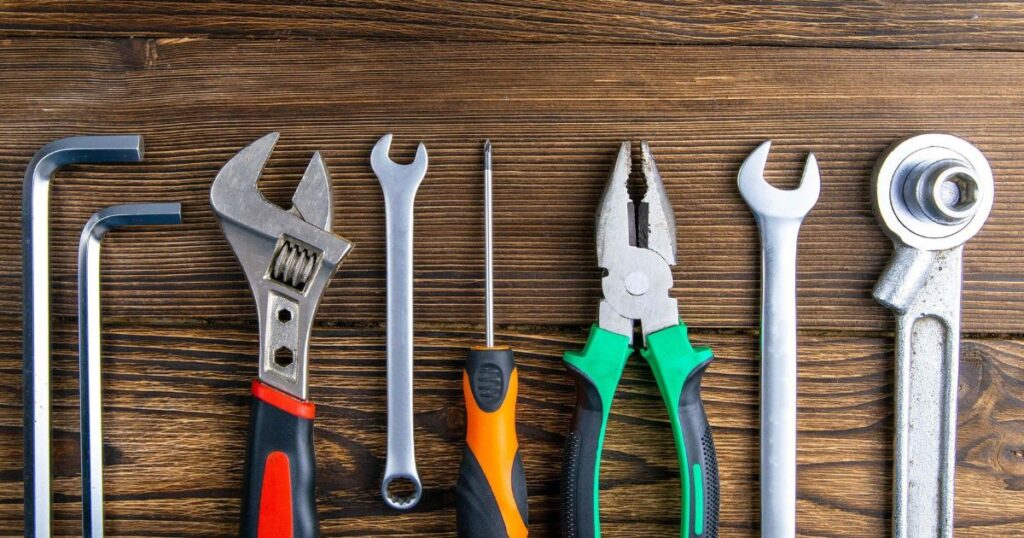
Surface treatment for hand tools is the set of metal finishing processes used to improve rust resistance, wear resistance, surface appearance, grip comfort, and dimensional stability. For tools such as wrenches, screwdrivers, pliers, hammers, files, bits, and hardware accessories, the right surface treatment must match the tool material, working environment, contact area, and cost target.
There is no single best surface treatment for hand tools in every application. Black oxide is low-cost and dimensionally stable, zinc plating balances cost and corrosion resistance, hard chrome delivers excellent wear resistance, phosphate coating improves paint or oil adhesion, powder coating protects non-working surfaces, e-coating gives uniform coverage, induction hardening improves surface hardness, and polishing prepares or upgrades the finish.
Table of Contents
- Why surface treatment matters for hand tools
- Black oxide coating for hand tools
- Zinc plating for hand tools
- Hard chrome plating for high-wear tool surfaces
- Phosphate coating as a base treatment
- Powder coating, e-coating, hardening, and polishing
- Selection guide for surface treatment for hand tools
- FAQ
- Conclusion
Why surface treatment matters for hand tools
A hand tool surface is exposed to repeated contact, sweat, oil, moisture, dust, impact, and sometimes acids or alkaline cleaning environments. Without the right surface treatment for hand tools, the tool can rust, lose edge life, feel slippery, show uneven color, or fail dimensional checks at fitted areas such as wrench openings, screwdriver tips, and assembly interfaces.
Surface treatment for hand tools usually needs to balance five requirements:
– corrosion protection for storage, transport, and field use; – wear resistance on gripping, cutting, or torque-transfer surfaces; – coating thickness control for precision-fit parts; – appearance and brand consistency; – process cost, environmental limits, and batch stability.
The practical choice for surface treatment for hand tools is often a combined metal finishing process rather than a single metal surface treatment.
Black oxide coating for hand tools
Black oxide coating, also called chemical oxidation or electrochemical oxidation, forms a thin black Fe₃O₄ oxide film on the steel surface. In the source process description, the film thickness is only 0.5–1.5 µm, and the hardness is around HV200. It is often followed by oil dipping to improve short-term moisture protection.
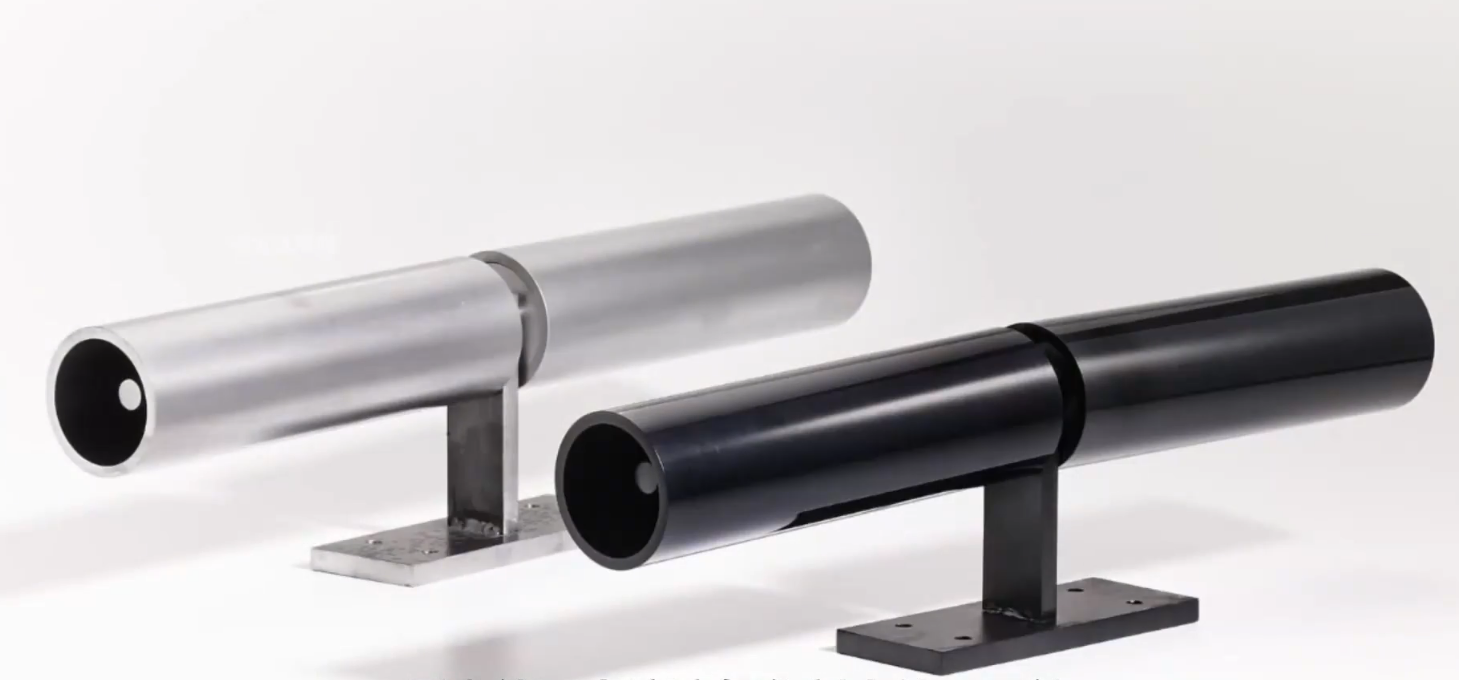
Black oxide is useful when surface treatment for hand tools must keep the original size almost unchanged. Because the oxide layer is extremely thin, it suits small gears, connectors, wrench openings, screwdriver shanks, and other parts where a thicker coating may affect fit.
Its main advantages are low cost, simple processing, and good dimensional compatibility. Its main limitation is weak corrosion resistance. A black oxide coating can work for dry indoor storage, but it is not the best anti-rust coating for tools used outdoors, in humid workshops, or around water and chemicals. The appearance is also limited to black or dark brown tones.
Zinc plating for hand tools
Zinc plating is one of the most common surface treatment for hand tools options when cost and rust protection must be balanced. The source material describes typical electroplated zinc thickness as 5–20 µm. Hot-dip zinc is thicker, around 50–100 µm, but is more common for large hardware than for small hand tools.
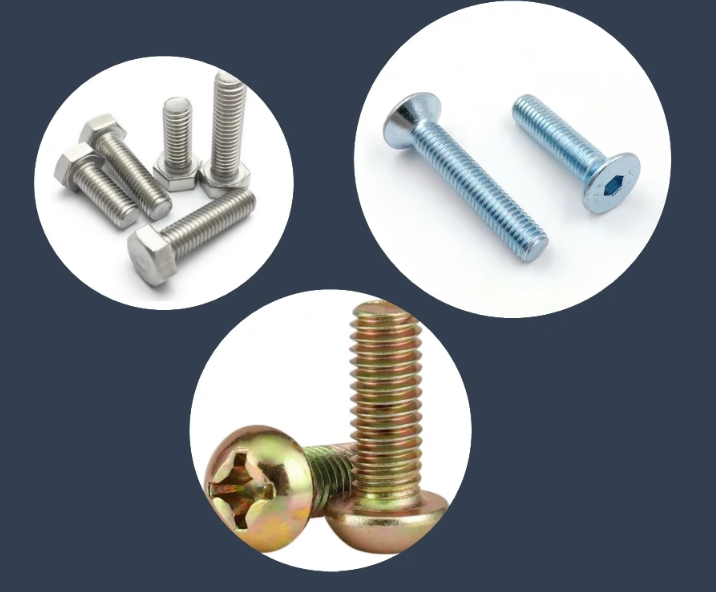
Zinc protects steel through sacrificial protection: even if the coating is locally damaged, zinc corrodes first and helps protect the base metal. According to the source, the protection order is colored zinc > black zinc > white zinc. This makes colored zinc a practical choice for tools exposed to higher humidity.
The hardness of zinc plating is typically HV100–150, so it is not ideal for high-friction working faces. Another important issue is hydrogen embrittlement. For high-strength tools such as torque wrenches, heavy hammers, or high-strength fastener-type components, electroplating can introduce hydrogen into the steel. The source recommends dehydrogenation at 200–220°C for 2–4 hours when zinc plating is used on high-strength parts.
For buyers comparing zinc plating vs powder coating, zinc plating is usually better for metal working areas where a thinner metallic coating is needed, while powder coating is better for thicker protective and decorative coverage on non-working surfaces.
Hard chrome plating for high-wear tool surfaces
Chrome plating can be decorative or functional. Decorative chrome usually uses a copper or nickel base layer and a thin chrome surface of 0.5–1 µm. Hard chrome is deposited directly on the steel base and is much thicker, typically 5–50 µm.
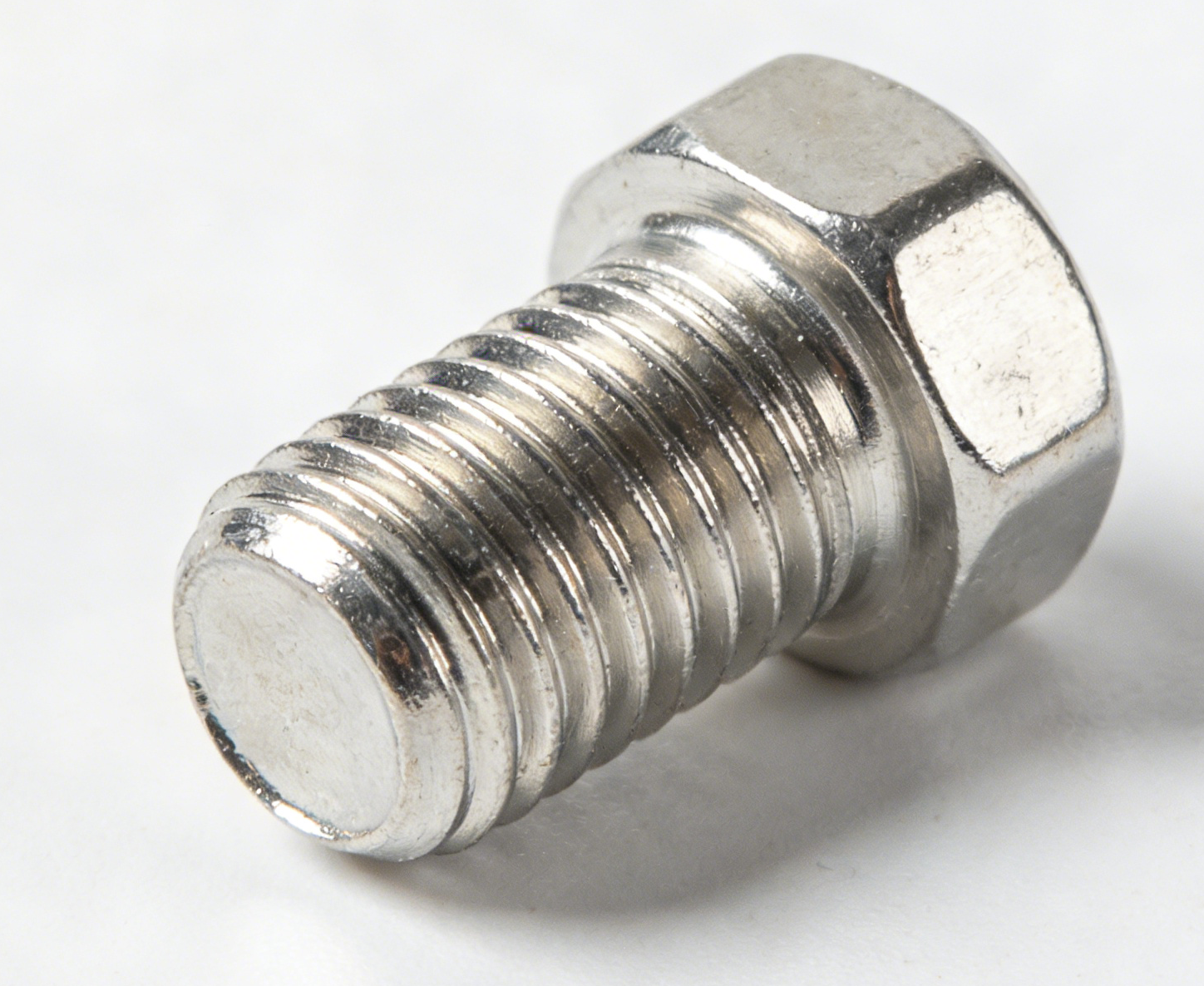
For surface treatment for hand tools, hard chrome plating is most relevant when wear resistance is critical. The source gives hard chrome hardness as HV800–1000, making it one of the strongest wear resistant coating for hand tools among the listed coating choices. It can be useful on wrench working surfaces, screwdriver tips, industrial files, sockets, and other high-contact areas.
Hard chrome also provides strong corrosion resistance and a low-friction surface that is easy to clean. The tradeoffs are cost, thickness control, and environmental burden. The source states that chrome plating cost can be 2–3 times the cost of zinc plating. Hard chrome also changes the part dimension enough that coating allowance may need to be considered during machining.
Because chrome plating may involve chromium-containing wastewater, many factories review local environmental restrictions before selecting this process.
Phosphate coating as a base treatment
Phosphate coating uses zinc phosphate or manganese phosphate solutions to form a porous phosphate crystal layer on steel. The source lists phosphate coating thickness as 1–10 µm and hardness as HV150–200.
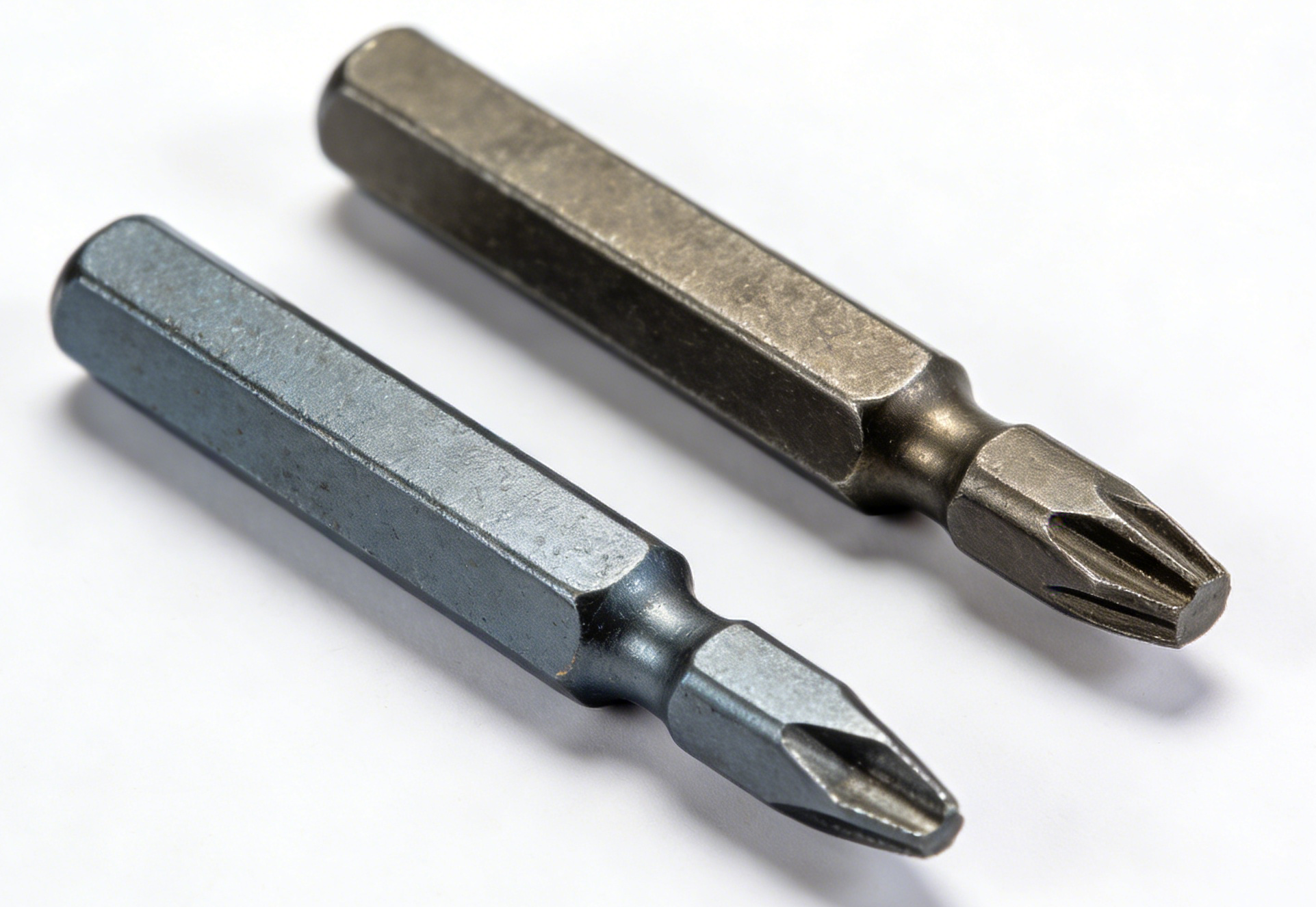
Phosphate is rarely the final surface treatment for hand tools when the tool must survive humid or outdoor use. Its main value is as a base layer before oiling, painting, or powder coating. The porous structure helps oil, paint, or plastic coating penetrate and bond to the steel surface, improving adhesion and reducing coating peel-off.
Phosphate treatment is also useful because it has no hydrogen embrittlement risk. That makes it suitable as a pretreatment for high-strength tools such as torque wrenches, chisels, and heavy hammers where electroplating risk must be controlled.
Its limitations are weak standalone corrosion protection, modest wear resistance, and limited appearance value.
Powder coating, e-coating, hardening, and polishing
Powder coating for metal uses electrostatic attraction to apply resin powder, followed by curing at 180–200°C. The source lists typical coating thickness as 50–200 µm and hardness as HV200–300. For surface treatment for hand tools, powder coating is best used on handles, brackets, shells, and non-working surfaces. It can provide strong rust isolation, custom color, textured grip, and good impact cushioning, but it is too thick and not wear-resistant enough for wrench jaws or screwdriver tips.
For surface treatment for hand tools, e-coating creates a uniform organic coating under an electric field. The source lists e-coating thickness as 10–30 µm. It is useful for complex tool shapes, grooves, holes, and parts that need uniform black or gray protection. Compared with powder coating, e-coating can be more uniform on complex geometry, but color choices are more limited.
For surface treatment for hand tools, induction hardening and flame hardening are different from coatings because they change the surface microstructure rather than adding a layer. The source gives heating temperature as 850–950°C, hardened layer depth as 0.5–5 mm, and surface hardness as HRC58–62. This makes surface hardening valuable for cutting edges, screwdriver tips, wrench jaws, hammer heads, and other high-load areas. However, it has no anti-rust function and usually needs to be paired with another surface treatment.
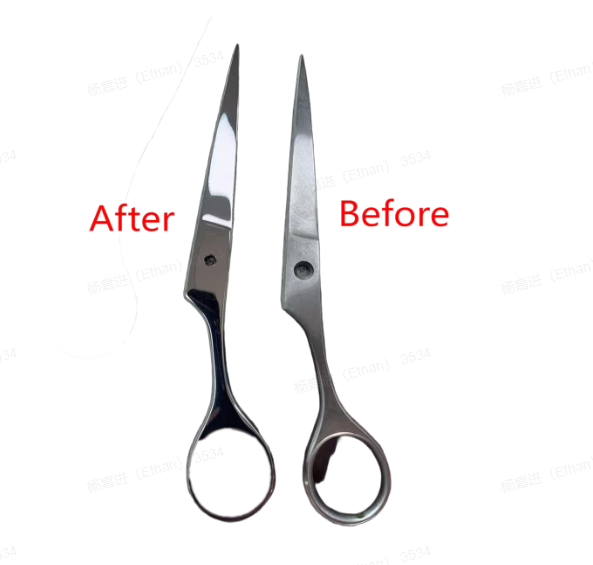
For surface treatment for hand tools, polishing removes burrs, scratches, and oxide scale by mechanical or chemical methods. It improves smoothness, appearance, and cleaning performance, but it does not provide corrosion protection by itself. It is commonly used before chrome plating, zinc plating, e-coating, or premium visual finishing.
Selection guide for surface treatment for hand tools
The best surface treatment for hand tools depends on the main performance priority:
| Requirement | Recommended process | Practical note |
|---|---|---|
| Lowest cost | Black oxide + oil | Suitable mainly for dry indoor use. |
| Best cost-performance balance | Zinc plating, preferably colored zinc | Common choice for general industrial tools; high-strength parts may need dehydrogenation. |
| Highest wear resistance | Surface hardening + hard chrome plating | Strong option for professional high-frequency tool surfaces. |
| Strongest rust isolation on non-working areas | Phosphate base + powder coating | Suitable for handles, shells, brackets, and outdoor auxiliary tools. |
| Precision fit | Black oxide + polishing | Keeps dimensional change low. |
| Premium appearance | Polishing + chrome plating or cathodic e-coating | Good for higher-end tool branding and clean visual finish. |
Composite treatments are common. Examples include surface hardening + black oxide for wear plus basic rust protection, phosphate + powder coating for adhesion plus corrosion protection, and polishing + chrome plating for appearance plus wear resistance.
For production and purchasing decisions, define the working environment first: dry storage, humid warehouse, outdoor use, acidic or alkaline exposure, high-frequency friction, precision fit, or premium retail appearance. Then choose the surface treatment for hand tools around that environment rather than choosing only by color or unit price.
FAQ
What is the best surface treatment for hand tools?
The best surface treatment for hand tools depends on the requirement. Zinc plating is often the best cost-performance option for general rust protection, hard chrome is better for wear resistance, powder coating is better for non-working surfaces, and black oxide is best when low cost and low dimensional change matter most.
Which coating provides the best anti-rust protection for hand tools?
For working metal surfaces, zinc plating with suitable passivation is a practical anti-rust coating for tools. For handles, shells, and non-working surfaces, phosphate pretreatment plus powder coating can provide stronger isolation from air and moisture. Outdoor or humid conditions usually need more than black oxide alone.
Is zinc plating or powder coating better for hand tools?
Zinc plating is usually better for thinner metallic protection on steel tool bodies and parts that need closer dimensional control. Powder coating is better for thicker, colorful, textured, and corrosion-resistant coverage on non-working surfaces such as handles and housings. They solve different problems and may be combined with phosphate pretreatment.
When should hard chrome plating be used on hand tools?
Hard chrome plating should be considered when a tool surface faces repeated sliding, clamping, torque transfer, or abrasion. Examples include wrench working faces, screwdriver tips, sockets, and professional tools used frequently in workshops or field service.
Can black oxide coating prevent rust on hand tools?
Black oxide can provide basic short-term protection, especially when followed by oil dipping, but it is not enough for wet, outdoor, acidic, or alkaline environments. It is better used for low-cost indoor tools or precision parts where a thicker coating would affect fit.
Why is phosphate coating often used before painting or powder coating?
Phosphate coating forms a porous crystal layer that helps oil, paint, or powder coating bond more strongly to the steel surface. This improves coating adhesion and reduces the risk of peeling, especially on tools that need a later protective or decorative coating.
Conclusion
Surface treatment for hand tools should be selected by function, not by coating name alone. Black oxide, zinc plating, hard chrome plating, phosphate coating, powder coating, e-coating, induction hardening, and polishing each solve different problems in rust protection, wear resistance, fit, cost, and appearance.
If you are planning a hand tool finishing process, UBright can help review tool geometry, surface requirements, polishing needs, coating sequence, and inspection targets so the selected process matches the real production and performance requirement.